Save Watamula — Protect Curaçao's Wildest Corner | Beautiful Curaçao
Northwest Curaçao · 12°22′N 69°09′W

This is where
Curaçao
breathes.

Watamula is the raw, wild, unprotected northwestern tip of the island — a landscape of limestone cliffs, blowholes, coral scrubland, and 200 species of birds. It needs to be protected before it disappears.

Scroll
Limestone Cliffs 200+ Bird Species Natural Blowholes Coral Scrubland Sea Turtles Watermolen · Water Mill Wild Iguanas Caribbean Trade Winds Limestone Cliffs 200+ Bird Species Natural Blowholes Coral Scrubland Sea Turtles Watermolen · Water Mill Wild Iguanas Caribbean Trade Winds
White-tailed deer at Watamula
White-tailed deer roaming the Watamula cactus scrublands
What Is Watamula

The island's
most spectacular
wild corner.

Watamula sits at the very northwestern tip of Curaçao. Its name comes from the Dutch word watermolen — watermill — named for the churning, roaring force of the ocean as it drives through the limestone blowholes carved into the clifftops. The constant trade winds sculpt every tree. The iron-shore coastline looks like another planet. On one side of the peninsula the sea is glassy and still; ten meters away it crashes with raw, unbroken force.

It is, without question, one of the most extraordinary natural places in the entire Caribbean. And it is almost entirely unprotected.

200+
bird species recorded on the peninsula
0
km of protected shoreline today
12°N
the wild northwest tip of the island
"
"She said this place is where you can hear the island breathe. It's true."
— TripAdvisor visitor, describing Watamula Hole
The Living Preserve

A full ecosystem
unlike anywhere else

Birds
Over 200 Species
The cliff updrafts and offshore feeding grounds draw seabirds, raptors and migratory species in numbers found nowhere else on the island. The Wara Wara falcon — called that only in Curaçao, Aruba and Bonaire — hunts the scrubland alone.
Flora
Cactus Scrubland & Divi Divi
The Wabi acacia blankets the preserve — fire helps its seeds germinate, a perfect adaptation to the harsh dry climate. The Divi Divi tree, Curaçao's national symbol, always points southwest shaped by the trade winds, a living compass across the island.
Marine
Curaçao's #1 Dive Site
Underwater, Watamula is rated Curaçao's finest boat-diving destination — nutrient-rich currents, dazzling coral gardens, reef topography found nowhere else. Sea turtles, barracuda, queen snapper and reef sharks make it their home. It must be protected from above as well as below.
Wildlife
Iguanas, Lizards & Wild Bees
Iguanas sunbathe on the clifftops. Whiptail lizards (Blò-blò) flash their blue-green colours across every warm rock. Wild bees nest under the cliffs and pollinate the entire peninsula. Each species plays a role in an ecosystem millions of years in the making.
Geology
Blowholes & Iron Shore
The limestone cliffs are honeycombed with sea caves and blowholes carved by centuries of wave action. As waves hit the shore, air forces up through rock pools creating geysers and a sound like the earth exhaling. The moon-like terrain is unlike anywhere else in the Caribbean.
Seasons
The Flamboyant in Bloom
When the Flamboyant tree erupts in flame-red flowers, the contrast against the deep blue of the Caribbean Sea is one of the most stunning sights in all of Curaçao. This is what preservation protects — not just habitat, but beauty that stops you where you stand.
Why It Is at Risk

Unprotected.
Undefended.

Watamula has no legal protection. There is no designated park boundary, no conservation authority, no funding for management. Without action, the pressures that have already changed so much of Curaçao's coastline will eventually reach here too.
01
Development Pressure
As tourism grows across Curaçao's northwest, undeveloped coastal land becomes increasingly valuable. Without protected status, the cliffs and scrubland that define Watamula have no legal defence against construction.
02
Unmanaged Access
The site is accessible via a dirt road with no signage, no rangers, and no visitor management. The fragile iron-shore ecosystem — including rare cliff plants like the Milon di Seru — is damaged when visitors leave marked paths.
03
No Eco-Corridor
Shete Boka and Christoffel National Park are protected. But the land between them and Watamula is not — creating a fragmented landscape that breaks the migration routes and habitats wildlife depends on.
04
Invasive Species
Lionfish, invasive plants, and the absence of active management allow non-native species to expand into the marine and terrestrial ecosystems. Protection means active stewardship, not just boundary lines.
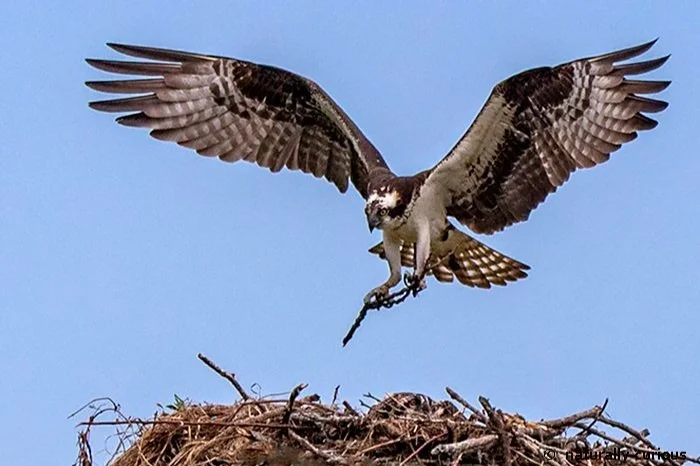
Osprey at Watamula
The Osprey nests along the Watamula cliffs. Its territory depends on an unbroken corridor of undisturbed coastline.
The Vision

One connected
wild corridor

The campaign is simple. Connect Watamula to the existing protected parks — Shete Boka National Park and Christoffel National Park — to create an unbroken ecological corridor running across Curaçao's entire wild northwest. Wildlife would move freely. Habitats would recover. The blowholes, the cliffs, the scrubland and the reef would be permanently defended.

This is not a distant dream. Shete Boka already borders the area. The land connection exists. What is missing is the political will, the public pressure, and the funding to make it happen.

Christoffel
National Park · Protected
Shete Boka
National Park · Protected
Watamula
Proposed Protected Park

Together these three parks would form the longest protected coastal eco-corridor in the Dutch Caribbean. For the birds, iguanas, reef and sea turtles that live here — it would mean everything.

How Every Booking Helps

Your ATV ride
funds the fight

10%
Preservation Fund
Ten percent of every ATV tour booking goes directly to the Watamula preservation campaign — lobbying for protected park status and funding on-the-ground conservation.
01
Responsible Access
Our guided ATV tours model what responsible access to Watamula looks like — staying on defined routes, respecting the flora, leaving nothing behind. We show it can be done right.
02
Building Awareness
Every visitor who rides through Watamula and understands what they're seeing becomes an ambassador for its protection. The best argument for saving this place is experiencing it firsthand.
03
CARMABI Partnership
We work alongside CARMABI — the Caribbean Research and Management of Biodiversity foundation on Curaçao — to ensure preservation efforts are science-led and effective.
The Call to Action

Get involved.
In any language.

🇬🇧
English

Make Watamula a protected park connected to Shete Boka National Park and Christoffel National Park — creating an eco-corridor from the island's northwestern tip. The cliffs, the blowholes, the reef, and the 200+ species that call this peninsula home deserve permanent protection.

🇳🇱
Nederlands

Maak van Watamula een beschermd park dat verbonden is met het Shete Boka-park en Christoffel Nationaal Park, om een ecocorridor te creëren vanaf de noordwestelijke punt van het eiland. De kliffen, spuigaten, het rif en de meer dan 200 soorten die dit schiereiland hun thuis noemen, verdienen blijvende bescherming.

🇪🇸
Español

Convierta Watamula en un parque protegido conectado con el Parque Shete Boka y el Parque Nacional Christoffel, para crear un corredor ecológico desde el extremo noroeste de la isla. Los acantilados, los sopladores, el arrecife y las más de 200 especies que habitan esta península merecen protección permanente.

Take Action

Ride it.
Save it.
Tell everyone.

The best thing you can do for Watamula is come and see it. Book an ATV tour, ride the cliff edge at sunset, and leave knowing that your visit directly funds its protection. Then tell people what you saw.